
Yes. We can bring boxes, tape, packing paper, bubble wrap, wardrobe boxes and more. You can choose full packing supplies or just the extras you’re missing.
How to Pack for Your Move
Professional guide on how to pack for moving – stress-free relocation in the Bay Area.
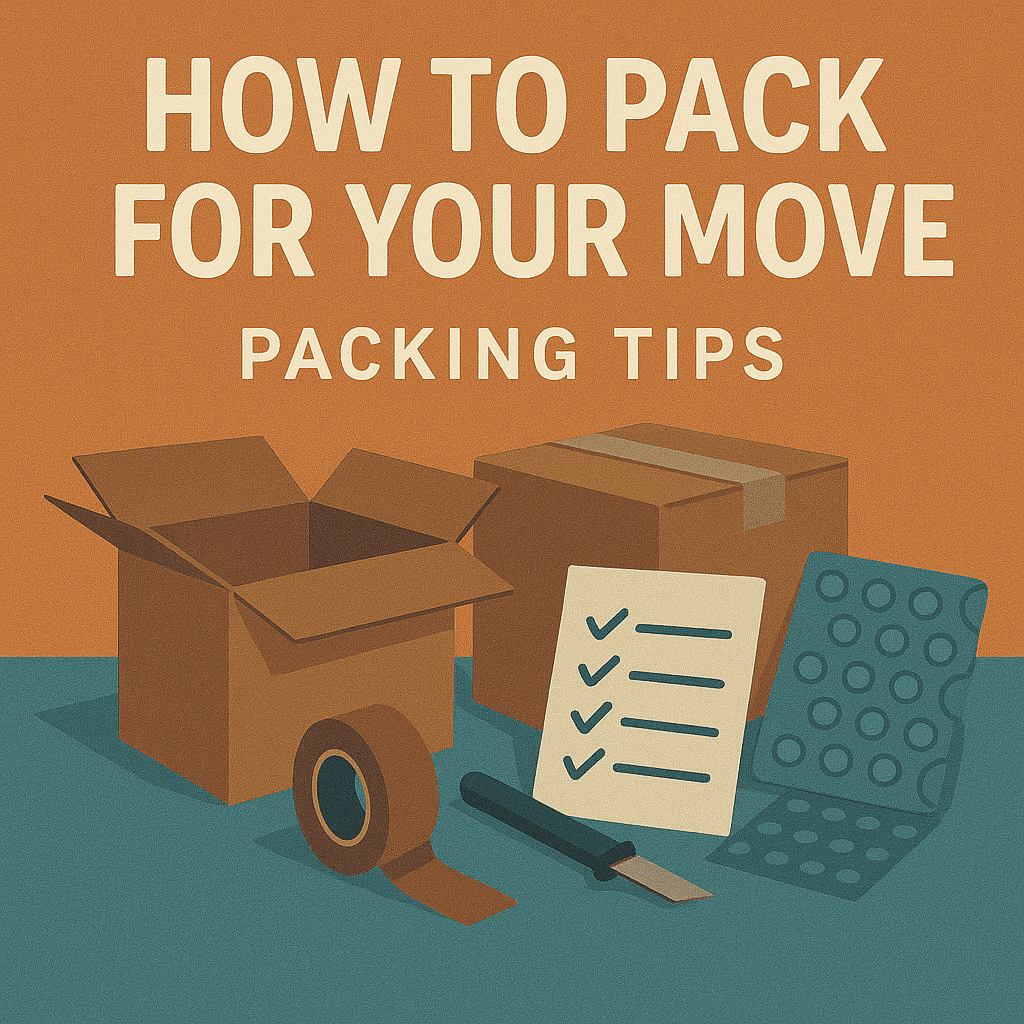
Learning how to pack for moving properly is the first step to a smooth relocation. Whether you’re moving an apartment, house, office, or storage unit, knowing how to pack for moving correctly can save time, money, and stress. Here are Nomad Move’s best tips on how to pack for moving.
1. Start Early
Packing always takes longer than expected. Begin 2–3 weeks before your move: pack items you rarely use first, save daily essentials for last, label everything clearly. A slow, steady pace keeps things stress-free.
2. Use Quality Boxes & Supplies
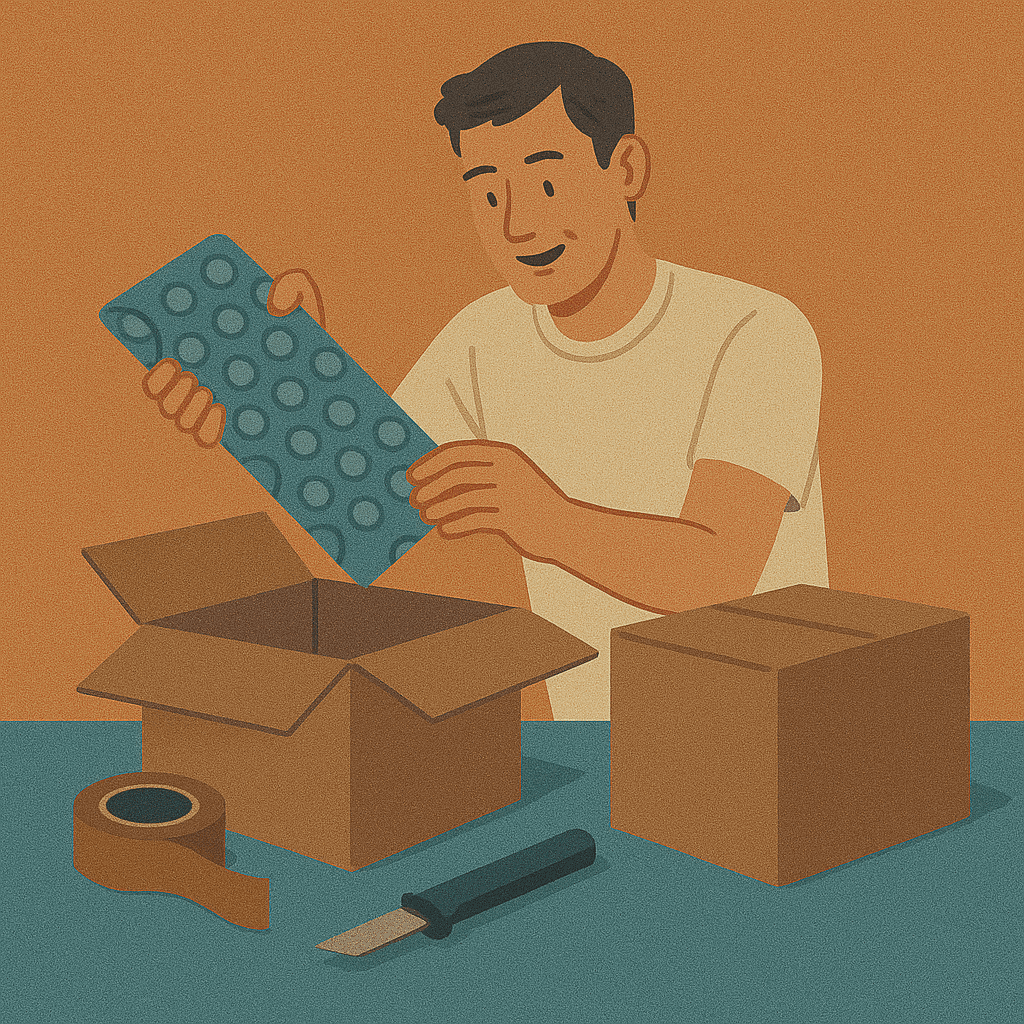
Cheap boxes collapse, tear, or crush your belongings. Use sturdy moving boxes, packing tape, bubble wrap, packing paper, shrink wrap, and mattress bags. Nomad Move can provide all packing materials if needed.
3. Pack One Room at a Time
This makes unpacking easier and helps you stay organized. Label each box with room name, short description, fragile if needed, and arrows. Color-coded stickers work great for faster sorting.
4. Wrap Each Item Individually
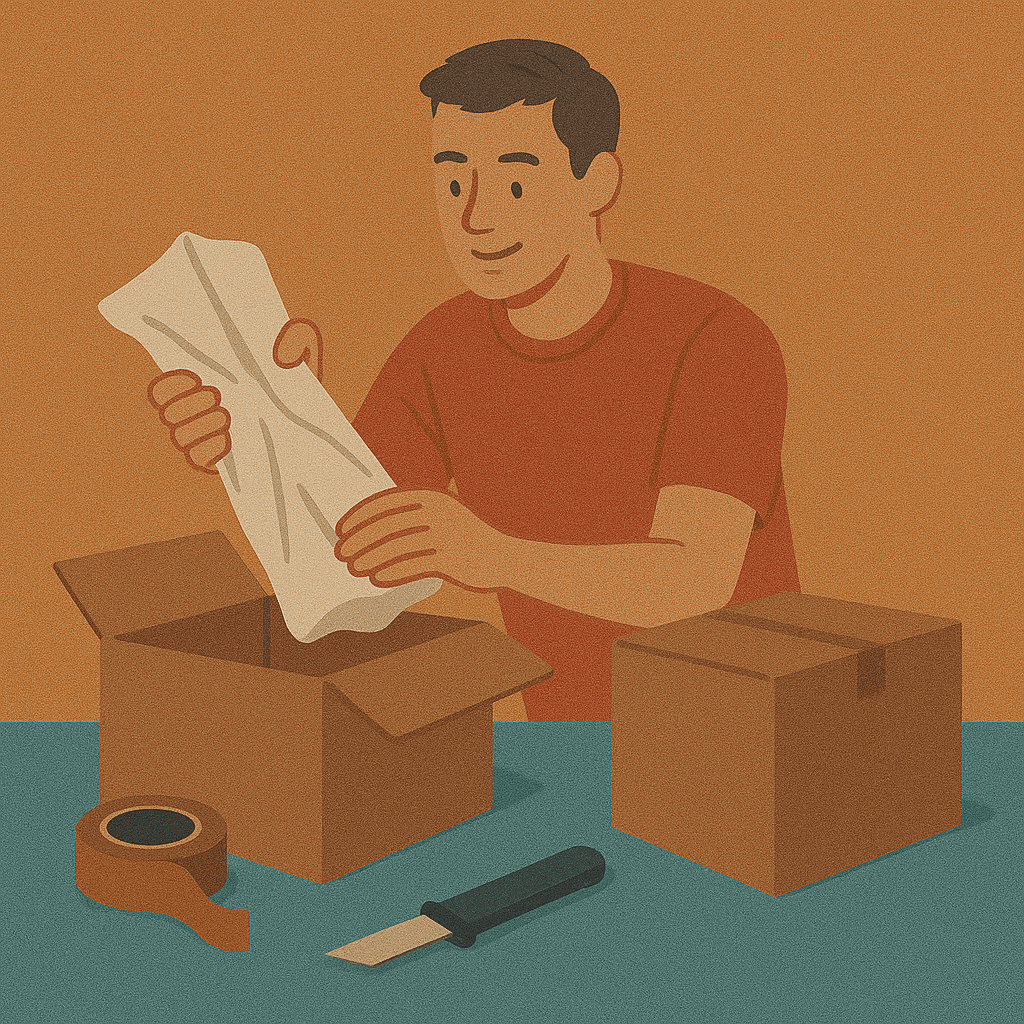
Use packing paper or bubble wrap. Avoid wrapping breakables in towels — they can shift and break.
5. Pack Plates Vertically
Plates break much less when packed standing upright, like records.
6. Fill All Empty Spaces
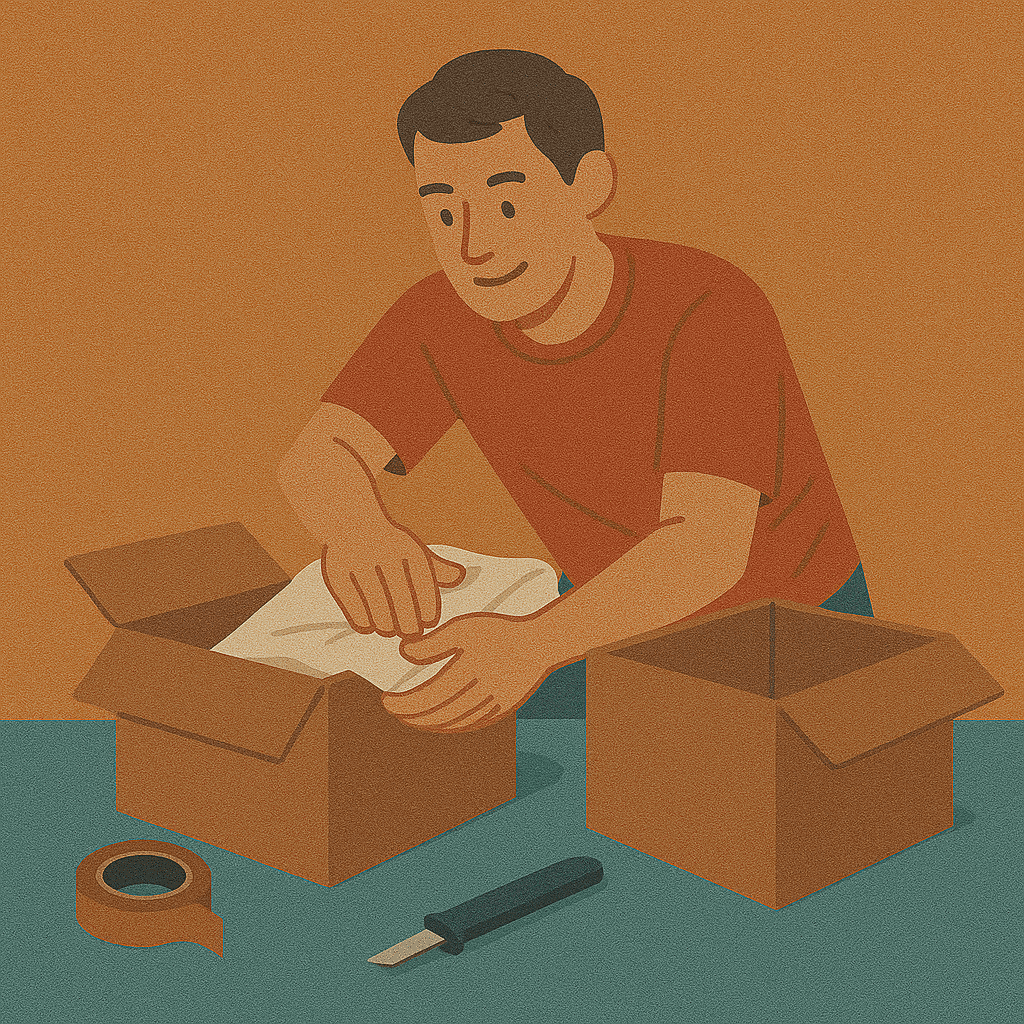
Gaps cause movement and damage. Use paper, bubble wrap, or clothing to fill voids so items do not shift in transit.
7. Use “Fragile” Boxes for Glass
Glasses, mugs, wine bottles, and vases should go into dish-pack boxes for extra protection.
8. Disassemble Large Items
Beds, tables, desks, and sectionals should be taken apart before moving day if possible. Nomad Move can handle disassembly at no extra charge.
9. Protect Your Furniture
Use moving blankets, shrink wrap, and corner protectors. Never place unprotected wood furniture inside a truck — it can scratch or crack.
10. Empty Drawers
Leaving items inside risks damage and makes furniture heavier and harder to move.
11. Use Original Boxes
TVs, monitors, and computers pack best in their original packaging when available.
12. Protect Screens
TV screens should always be wrapped in moving blankets and stand upright, never flat. Nomad Move brings professional TV protectors on request.
13. Use Wardrobe Boxes for Hanging Clothes
Wardrobe boxes come with a metal bar — perfect for jackets, coats, and dresses.
14. Pack Dresser Clothing in Suitcases
Suitcases are perfect for heavier items like jeans, sweaters, and shoes. Use the wheels to your advantage.
15. Use Small Boxes Only for Books
Large boxes filled with books can break or become too heavy to lift safely.
16. Protect Important Documents
Keep passports, IDs, money, and jewelry with you, not in the moving truck.
17. Pack Kitchen Last
You’ll need your kitchen up until moving week, so pack it closer to the date.
18. Use Extra Padding for Glass & China
The kitchen is the most fragile room. Take your time and wrap glass and china with extra padding.
19. Avoid Mixing Items
Do not pack fragile kitchen items together with heavy cookware in the same box.
20. Use Plastic Bins for Long-Term Storage
Plastic bins protect against moisture and dust better than cardboard boxes for long-term storage.
21. Label All Boxes Clearly
Label all boxes clearly so you know exactly what’s inside each container when you arrive at your new place.
Packing & Supplies – FAQ
Of course. Many customers pack clothes and simple items themselves and ask us to pack everything fragile — glass, dishes, decor, electronics and artwork.
Ideally 1–2 weeks before your move, especially in busy seasons. Last-minute help with how to pack is possible when our schedule allows…
For many apartments and smaller homes — yes. For larger homes we may recommend a separate packing day so moving day runs faster and smoother.